
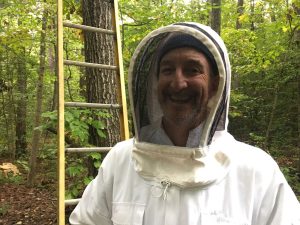
Bees play an indispensable role in our planet’s ecosystem. As pollinators, they are vital for the reproduction of countless plant species, including those that provide us with food. However, when bee colonies become a nuisance, it’s crucial to handle the situation with care and respect for these essential creatures.
Why Humane Bee Removal Matters
- Preservation of Biodiversity: Bees contribute significantly to biodiversity by pollinating various plant species. Humane removal ensures that these colonies can be relocated safely, preserving their contribution to the ecosystem.
- Protection of Bee Populations: Harsh methods of bee removal can harm or even destroy entire colonies, leading to a decline in bee populations. Humane techniques prioritize the well-being of the bees, helping to maintain a healthy balance.
- Preventing Pest Problems: When bee colonies are not removed humanely, they may become aggressive, leading to stings and other issues. Humane removal can prevent these problems and ensure the safety of people and property.
How Humane Bee Removal Works
Humane bee removal involves a careful and methodical approach:
- Assessment: A professional beekeeper will assess the situation to determine the best course of action. This includes identifying the type of bee, the size of the colony, and the location of the hive.
- Relocation: The beekeeper will carefully remove the hive and its inhabitants without harming the bees. The colony will then be relocated to a suitable location where it can thrive.
- Prevention: To prevent future bee infestations, the beekeeper can provide recommendations for sealing entry points and creating a less attractive environment for bees.
Choosing a Humane Bee Removal Service
When selecting a bee removal service, it’s essential to choose one that prioritizes humane methods. Look for a company with experience in beekeeping and a commitment to protecting these valuable creatures.
By opting for humane bee removal, we can contribute to the preservation of our planet’s biodiversity and ensure the continued health of bee populations.